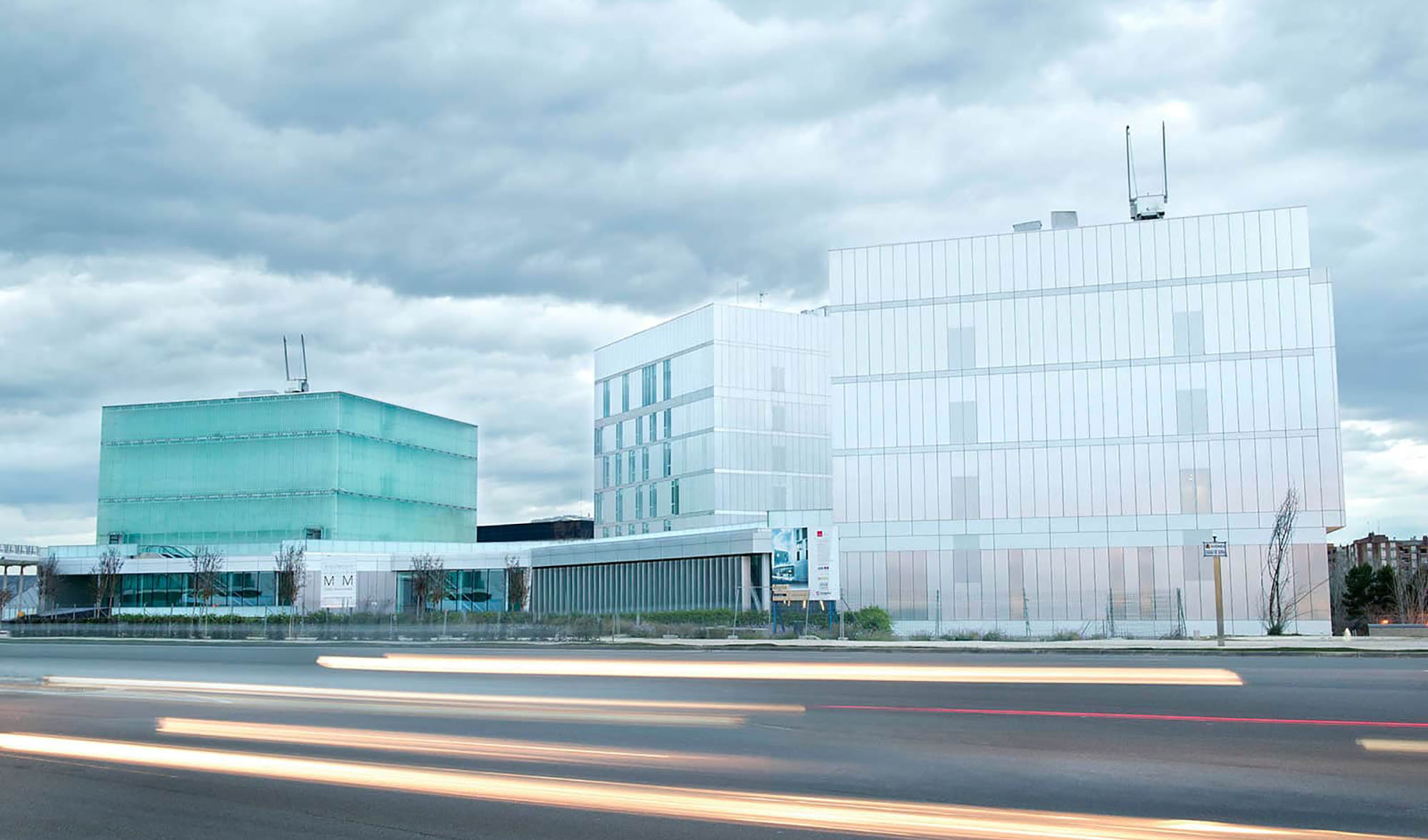
ETOPIA es uno de los principales espacios de innovación, emprendimiento y tecnología de Zaragoza. Situado junto a la estación de Delicias, su origen está directamente relacionado con el antiguo proyecto municipal Milla Digital, una iniciativa concebida para transformar parte de los terrenos ferroviarios recuperados de la ciudad en un entorno dedicado a la innovación, la creatividad y las nuevas tecnologías.
Durante el desarrollo de aquel proyecto, uno de sus equipamientos más destacados fue el Centro de Arte y Tecnología (CAT), que con el tiempo evolucionaría hacia el actual ETOPIA.
Qué es ETOPIA Zaragoza
ETOPIA es actualmente el Centro de Emprendimiento, Innovación y Tecnología de Zaragoza, un equipamiento municipal destinado al desarrollo de proyectos relacionados con la innovación, la creatividad, la formación y el emprendimiento.
El complejo supera los 16.000 metros cuadrados de superficie construida y cuenta con diferentes espacios para actividades profesionales, tecnológicas, culturales y educativas.
Su filosofía parte de la creación de un entorno en el que puedan encontrarse emprendedores, empresas, investigadores, profesionales, creadores y ciudadanos interesados en desarrollar nuevas ideas.
El origen de ETOPIA dentro del antiguo proyecto Milla Digital
Para entender el origen de ETOPIA hay que remontarse al proyecto Milla Digital impulsado por el Ayuntamiento de Zaragoza.
Milla Digital planteaba la transformación de más de 100 hectáreas recuperadas alrededor de la estación de Zaragoza-Delicias mediante la combinación de espacios residenciales, actividad empresarial, tecnología, nuevos equipamientos y espacio público.
Entre los equipamientos previstos se encontraban diferentes proyectos vinculados a la innovación, como el Centro de Incubación Tecnológica, el Digital Water Pavilion y el futuro Centro de Arte y Tecnología.
Este último constituye el antecedente directo del actual ETOPIA.
Qué era el Centro de Arte y Tecnología de Milla Digital
El Centro de Arte y Tecnología, conocido también por sus siglas CAT, fue concebido como uno de los principales equipamientos culturales y tecnológicos del antiguo proyecto Milla Digital.
Su planteamiento buscaba reunir en un mismo espacio ámbitos que tradicionalmente habían funcionado de forma independiente:
- arte y cultura contemporánea;
- innovación tecnológica;
- formación;
- investigación;
- creación audiovisual;
- emprendimiento;
- desarrollo empresarial;
- experimentación digital.
El Ayuntamiento de Zaragoza lo planteó como un espacio orientado a promover la creatividad y la innovación dentro del entorno de Milla Digital.
La idea era crear un verdadero ecosistema en el que pudieran colaborar artistas, científicos, tecnólogos, empresas, investigadores y ciudadanos.
Del CAT al actual ETOPIA
El concepto inicial del Centro de Arte y Tecnología fue evolucionando hasta convertirse en ETOPIA, denominación bajo la que actualmente funciona el equipamiento.
Hoy el centro tiene una orientación especialmente vinculada al emprendimiento, la innovación y la tecnología, aunque conserva buena parte de la filosofía original de aquel proyecto: generar un espacio abierto donde distintas disciplinas puedan encontrarse y desarrollar nuevos proyectos.
Por ese motivo, es frecuente encontrar documentación histórica que habla del CAT de Milla Digital o del Centro de Arte y Tecnología de Zaragoza, mientras que las referencias actuales utilizan principalmente el nombre ETOPIA.
Para qué se creó ETOPIA
El proyecto nació con una visión que iba mucho más allá de construir un edificio tecnológico.
Entre sus objetivos se encontraban:
- favorecer la innovación tecnológica;
- impulsar la difusión social de las nuevas tecnologías;
- apoyar la creación de nuevas empresas;
- atraer talento;
- generar espacios de formación;
- facilitar la interacción entre ciudadanía, empresas y creadores;
- conectar arte, ciencia y tecnología.
El propio Ayuntamiento definió ETOPIA como un modelo de innovación abierta en el que emprendedores, ciudadanos, investigadores, empresas y creadores pudieran trabajar conjuntamente.
Espacios e instalaciones de ETOPIA
ETOPIA es un complejo multifuncional con diferentes tipos de instalaciones.
El edificio dispone de:
- salas polivalentes;
- talleres;
- oficinas;
- espacios expositivos;
- aulas;
- zonas de networking;
- áreas destinadas a proyectos empresariales;
- infraestructura avanzada de telecomunicaciones.
También cuenta con espacios relacionados con incubación empresarial y trabajo colaborativo.
Uno de los elementos visualmente más reconocibles del complejo es su Fachada Media, una gran pantalla exterior concebida para la proyección de contenidos digitales y audiovisuales.
El antiguo proyecto Milla Digital también contemplaba el desarrollo de infraestructuras de telecomunicaciones y conectividad para integrar servicios digitales en el espacio urbano. La idea era que la tecnología no se limitase a los edificios, sino que formase parte del funcionamiento cotidiano de la ciudad mediante redes de comunicación, servicios inalámbricos y nuevos elementos de interacción en el espacio público.
ETOPIA y el emprendimiento
Con el paso del tiempo, el componente empresarial y emprendedor ha ganado protagonismo dentro de ETOPIA.
El centro desarrolla actividades de formación, divulgación, networking y desarrollo profesional, además de proporcionar espacios para impulsar nuevos proyectos.
Esta evolución mantiene la idea central del antiguo proyecto: utilizar la tecnología y la innovación como herramientas capaces de generar conocimiento, actividad económica y nuevas oportunidades.
La relación entre ETOPIA y Zaragoza-Delicias
La ubicación de ETOPIA forma parte de la propia lógica urbana del antiguo proyecto Milla Digital.
El edificio se encuentra en:
Avenida Ciudad de Soria, 8, Zaragoza.
Está situado muy cerca de la estación de Zaragoza-Delicias, uno de los principales nodos ferroviarios y de transporte de la ciudad.
Esta zona fue precisamente una de las áreas donde se desarrolló la estrategia de regeneración urbana ligada a Milla Digital.
ETOPIA como ejemplo de transformación tecnológica de Zaragoza
El antiguo proyecto Milla Digital buscaba utilizar las tecnologías digitales como parte de una estrategia más amplia de transformación urbana.
La intención no era únicamente atraer empresas tecnológicas, sino integrar innovación, cultura, creatividad y nuevos espacios públicos dentro de una misma zona de la ciudad.
ETOPIA representa una de las materializaciones más visibles de aquel planteamiento.
Aunque el proyecto original ha evolucionado con el tiempo y su configuración actual es diferente a las primeras propuestas, el centro sigue funcionando como un espacio municipal dedicado al emprendimiento, la innovación y la tecnología.
Qué relación existe entre ETOPIA y el antiguo CAT
El CAT o Centro de Arte y Tecnología fue la denominación utilizada durante las primeras etapas del proyecto.
Con el desarrollo y puesta en funcionamiento del equipamiento, el centro pasó a conocerse como ETOPIA, manteniendo buena parte del concepto original pero ampliando su actividad hacia ámbitos como el emprendimiento y la innovación empresarial.
Por tanto, las referencias históricas al:
- CAT Zaragoza;
- Centro de Arte y Tecnología;
- CAT Milla Digital;
- Centro de Arte y Tecnología de Milla Digital;
están relacionadas con el proyecto que posteriormente se materializó en ETOPIA.
¿Milladigital.es tiene relación con el proyecto institucional Milla Digital?
No.
Milladigital.es es actualmente un medio de comunicación independiente.
El nombre del medio coincide con la denominación histórica del proyecto Milla Digital desarrollado en Zaragoza, pero el medio actual no pertenece al Ayuntamiento de Zaragoza ni representa oficialmente al antiguo proyecto institucional.
Esta página tiene un carácter exclusivamente informativo y documental sobre la historia de ETOPIA y del antiguo Centro de Arte y Tecnología.
Preguntas frecuentes sobre ETOPIA Zaragoza
¿Qué es ETOPIA?
ETOPIA es el Centro de Emprendimiento, Innovación y Tecnología de Zaragoza, un equipamiento municipal destinado a fomentar proyectos tecnológicos, empresariales y creativos.
¿Dónde se encuentra ETOPIA?
Está situado en Avenida Ciudad de Soria, 8, junto al entorno de la estación de Zaragoza-Delicias.